The Learning Centre
Honest answers for
parents who care.
We know choosing a tutor is a big decision. Here you will find clear, transparent answers about costs, our methods, and whether we are actually the right fit for your child—along with in-depth guides for supporting them at home.
Direct Answers
The questions
parents ask most.
Costs & Commitment
Tuition at Kip McGrath Darlington starts from £37 for a structured 60-minute lesson. The exact cost depends on the support agreed for your child, and we explain it clearly before you decide whether to begin.
Read the complete guideTuition is most useful when it is regular enough for teaching, practice and review to build on one another. Before you start, we explain the proposed plan, price and practical arrangements so you can decide with the full picture rather than feeling pressured on the day.
Focused exam support can help a student organise revision, practise question types and address specific gaps. It cannot reliably rebuild years of missing knowledge in a few sessions. An assessment gives us a more honest basis for saying what is realistic in the time available.
Problems & Honest Limitations
Tutoring is not a substitute for medical, therapeutic, safeguarding or specialist SEND support. It may also be the wrong starting point if a child is too distressed to engage safely with additional learning. Where health, attendance or safety is the main concern, tuition should sit alongside—not replace—support from school and relevant professionals.
Read the complete guideA quieter setting and work matched to the right starting point can reduce some of the pressure a child associates with learning. But we cannot promise that tuition alone will resolve school refusal or anxiety. We will be honest if the setting does not appear to be helping.
It can fail when the starting point is guessed, the work is not connected to the learner's actual needs, attendance is too inconsistent for ideas to stick, or the child does not feel safe enough to attempt mistakes. Good tuition should review the plan rather than simply repeating more of the same.
Comparing Your Options
Neither model is automatically better. A home tutor may suit a child who needs an adult beside them throughout. Our centre uses structured 60-minute lessons with a maximum of four students per tutor, individual work and direct one-to-one help within the session. The better choice is the environment in which your child can engage, practise and become more independent.
Read the complete guideOnline tuition can remove travel and work well for a learner who is comfortable concentrating through a screen. In-centre tuition provides a clearer separation from home and lets the teacher notice written work, hesitation and attention more directly. Think about where your child is most able to focus—not which format sounds most convenient in theory.
GCSEs and Functional Skills serve different purposes and are assessed differently. The right route depends on the learner's next step, current attainment and the requirements of a school, college, apprenticeship or employer. Check those entry requirements before changing qualification route.
Progress & Evidence
No honest tutor can promise a fixed timeline. You may first notice a child attempting work with less avoidance, explaining where they are stuck or recovering more calmly from a mistake. Secure academic progress depends on the starting gap, attendance, practice and the complexity of the goal.
Read the complete guideTeachers review written and computer-supported work, accuracy, strategies and the amount of help a learner needs. We also look for meaningful changes such as attempting unfamiliar questions, explaining a method and applying a skill in a new context. Grades matter, but they are not the only evidence.
Practice between lessons can help, but more work is not automatically better. Any home practice should be purposeful and manageable for the learner. Tell us if it is creating conflict or distress so the approach can be reconsidered rather than turning support into another battle.
Choosing the Right Support
Ask who will teach your child, what qualifications and relevant experience they have, how the starting point is assessed, how work is adapted, how progress is reviewed and what happens if the approach is not helping. A provider should answer those questions clearly.
Read the complete guideNo. A learner may need to rebuild a foundation, prepare for an exam, regain confidence or work at greater depth. The useful question is not whether they are labelled as behind; it is what specific change would make learning more accessible or appropriately challenging.
It should identify strengths as well as gaps, distinguish a foundational difficulty from a current-topic problem and lead to a small number of clear priorities. You should leave understanding the proposed next step, even if you decide not to begin tuition.
Not sure where to begin?
The easiest way to find out if we can help is to book a free assessment. It takes about an hour and is designed to give you a clearer picture of your child's strengths, gaps and sensible next steps—without pressure to commit.
Book free assessmentThe Kip Difference
- Qualified teachers. Experienced, DBS-checked teachers with direct classroom knowledge.
- Individual planning. Work is selected for the learner's current needs rather than copied from a class worksheet.
- Calmer focus. A structured environment with a maximum of four students per tutor and direct help within the session.
Honest limitations
- Not a quick fix. Secure progress takes teaching, practice and review; a few sessions cannot guarantee an outcome.
- Not a one-to-one setting. Students follow individual work in a small group, with direct teacher help throughout the lesson.
- No guaranteed passes. No responsible tutor can promise a grade. We can promise qualified teaching and honest feedback.
Deep Dives
In-Depth Guides
Practical advice, strategies, and evidence-based approaches for supporting your child's learning journey at home.
What Should I Ask Before Choosing a Tutor?
Use these practical questions to compare tutors and tuition centres on qualifications, safeguarding, assessment, teaching, group size, progress, price and fit.
When Is Tutoring Not the Right Answer?
Tutoring can help with specific learning gaps, confidence and exam preparation, but it is not a substitute for medical, therapeutic, safeguarding or specialist SEND support.

How Long Does Tutoring Take to Make a Difference?
Parents often want to know when tutoring will start working. The honest answer depends on the size of the gaps, the child’s confidence, attendance and what meaningful progress looks like.

GCSE Results 2026: What Should North East Families Do Next?
The 2026 results are stable nationally, but headline figures never tell an individual student what to do next. Here is a calm plan for results that were higher, lower or simply different from expected.

Is Summer a Good Time to Start Tutoring?
Is Summer a Good Time to Start Tutoring? Short answer? Yes. If you’re a parent thinking, “Should we wait until September to start tutoring, or get going over the summer?” — you’re not alone. It’s one of the most common questions we’re asked. Here’s the honest answer — and why…

GCSEs Are Over – Should I Just Take a Break or Start Preparing for College?
GCSEs Are Over – Should I Just Take a Break or Start Preparing for College? “GCSEs Are Over – Should I Just Take a Break or Start Preparing for College?” This is one of the most common questions we hear from Year 11 students (and their parents) at this time of year — and it’s…

SATs Are Over – What Should We Do Now to Help Our Child Get Ready for Secondary School?
SATs Are Over – What Should We Do Now to Help Our Child Get Ready for Secondary School? “SATs Are Over – What Should We Do Now to Help Our Child Get Ready for Secondary School?” If your child has just finished their SATs, you’re probably breathing a sigh of relief — and so are…

Screen Time vs Study Time: Finding the Right Balance for Your Child
Screen Time vs Study Time: Finding the Right Balance for Your Child Introduction In today’s digital world, screens have become an inescapable part of childhood. From social media to gaming and educational tools, children are more connected than ever. But what impact is this ha…

What Do Parents Do While Their Child is at Tutoring? A Guide to Making the Most of Your Time
What Do Parents Do While Their Child is at Tutoring? A Guide to Making the Most of Your Time Introduction You’ve signed your child up for tutoring—great choice! But what do you do while they’re busy improving their maths and English skills? Whether you have 60 or 90 minutes to…

How to Help Your Child Prepare for School Entrance Exams: 11+ and Private School Exams Explained
How to Help Your Child Prepare for School Entrance Exams: 11+ and Private School Exams Explained Introduction For many parents, preparing their child for school entrance exams like the 11+ or private school assessments can feel overwhelming. These exams often determine access…

Advice from Year 11s: What They Wish They Knew Before Their GCSEs
Advice from Year 11s: What They Wish They Knew Before Their GCSEs Introduction Every year, thousands of students approach their GCSEs with a mix of excitement and nerves. Who better to give advice than the students who’ve just been through it? After sitting their exams, Year 1…

GCSEs vs Functional Skills: Which Path is Right for Your Child?
GCSEs vs Functional Skills: Which Path is Right for Your Child? GCSEs vs Functional Skills: Which Path is Right for Your Child? For many students and parents, choosing the right qualifications in English and maths can feel like navigating a maze. GCSEs are the traditional rout…

The Day Bartlett Met Baptist: What We Can All Learn About Growth and Failure
The Day Bartlett Met Baptist: Learning Through Failure The Day Bartlett Met Baptist: What We Can All Learn About Growth and Failure Recently, I had the opportunity to meet Steven Bartlett, a forward-thinking individual with a unique approach to personal and professional develo…

AI vs. Private Tutors: Which Is Better for Helping Your Child with Maths and English?
A.I. vs. Private Tutors: Which Is Better for Helping Your Child with Maths and English? AI vs. Private Tutors: Which Is Better for Helping Your Child with Maths and English? With the rise of artificial intelligence (AI), parents and students have more tools than ever to help w…

Why Failing Your Mock Exams Could Be the Best Thing That Happens to You
Why Failing Your Mock Exams Could Be the Best Thing That Happens to You Mock exams can feel daunting, and receiving a poor result might seem like the end of the world. But what if I told you that failing your mocks could actually be one of the best things to happen on your jou…
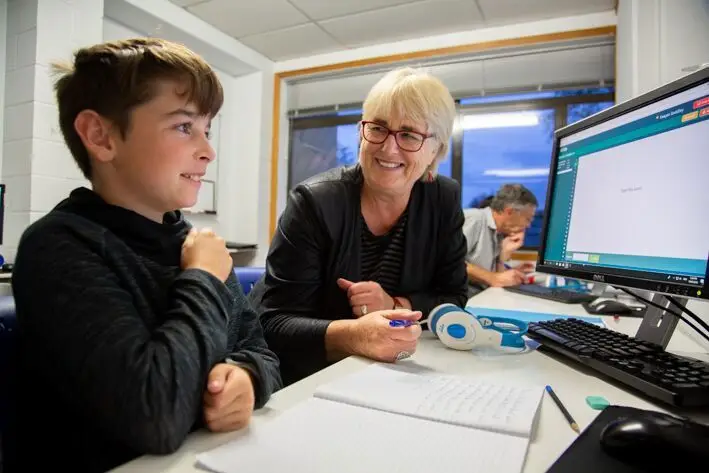
How To Tell If Your Child Needs Tutoring
How to Tell if Your Child Needs Tutoring Introduction : Navigating the educational journey of your child comes with its unique set of challenges. As a parent, it’s crucial to be attuned to subtle signals that may indicate the need for additional support. In this blog, we’ll ex…
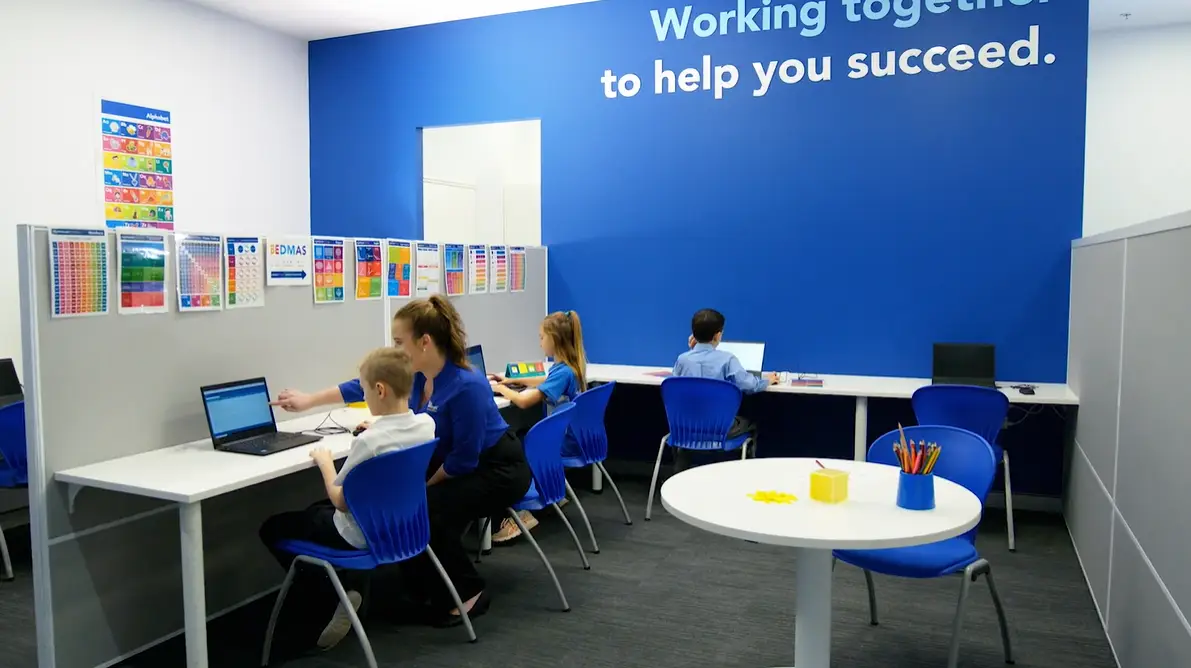
Tuition Centre or Home Tutor: Which Is Better?
Neither model is automatically better. Compare attention, independence, environment, teacher experience, safeguarding, convenience and cost to find the right fit for your child.

How Much Does Tutoring Cost in Darlington?
Tuition at Kip McGrath Darlington starts from £37 for a structured 60-minute lesson. Here is what families should compare before deciding whether any tutoring option offers good value.
Ready when you are
Take the guesswork out of the next step.
See what the free assessment involves and what happens next before continuing to the official Kip McGrath booking journey.