
When a child says “I’m bad at maths”, it is tempting to reply immediately: “No you’re not.” The reassurance is loving, but it may not feel believable to a child who has just stared at a page they could not start.
Instead, treat the sentence as a clue. It often means “I feel behind”, “I am scared of getting it wrong”, “Everyone else seems faster” or “I missed one step and now none of this makes sense”.
Start by making the problem smaller
Try asking, “Which part feels hardest?” A child who is “bad at maths” may actually be unsure about times tables, place value, fractions, written methods or the language used in word problems. A specific difficulty can be taught; a global label feels permanent.
You can also ask:
When did this topic start feeling confusing?
Can you show me the last bit that did make sense?
Is it the calculation, the wording or knowing how to begin?
Be careful with speed
Fast recall is useful, but speed is not the same as mathematical understanding. Timed activities and comparison with classmates can make a thoughtful child believe they lack ability. Give them time to explain their method and notice good reasoning even when the final answer is wrong.
Change the language around mistakes
Avoid describing yourself as “not a maths person”, even jokingly. Children quickly absorb the idea that mathematical ability is something people either have or do not have.
More helpful phrases include:
“You have not learned this part securely yet.”
“Let’s find the step where it changed from clear to confusing.”
“That answer tells us something useful about your method.”
When might extra support help?
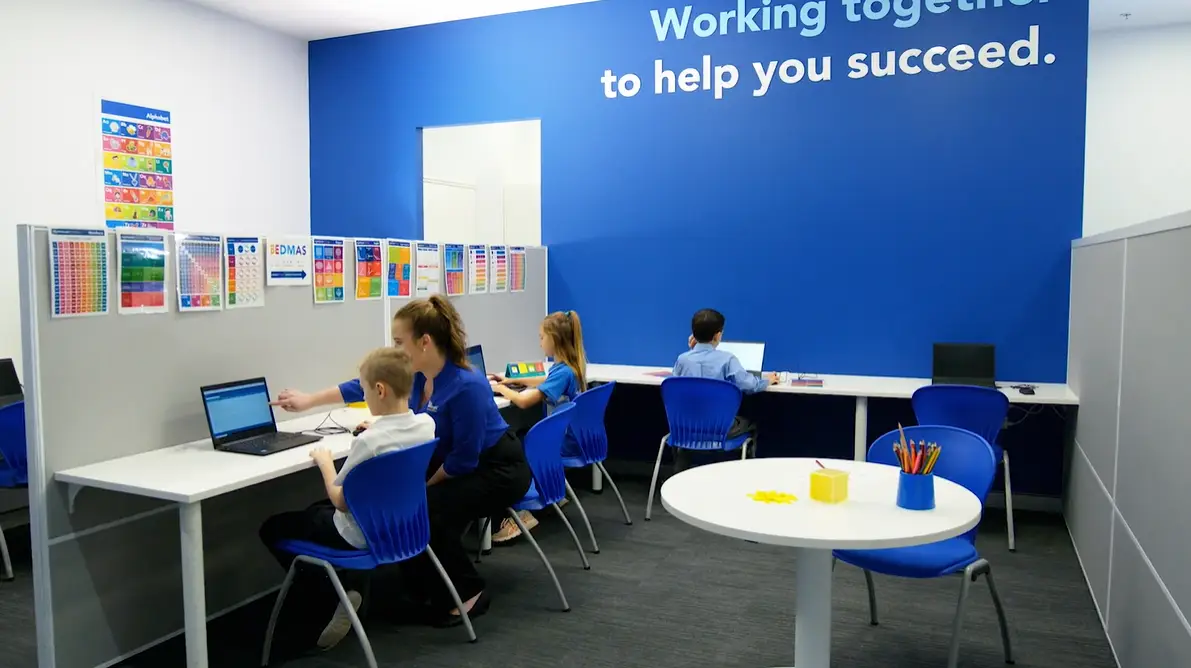
Look for a pattern: repeated avoidance, distress before maths lessons, homework taking much longer than expected or gaps that prevent your child accessing current work. A calm assessment can identify the exact starting point without asking them to perform in front of a busy class.
The aim is not to convince your child that maths is always easy. It is to show them that confusion can be understood, skills can be rebuilt and one difficult topic does not define what they are capable of learning.