
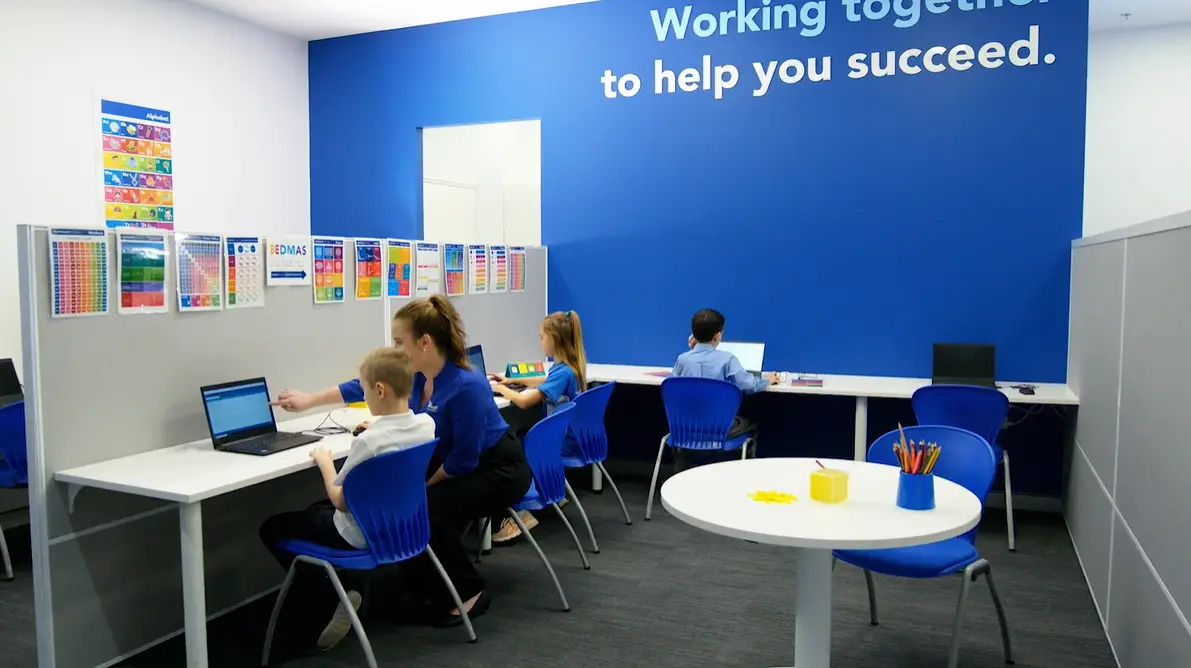
Tutoring is often discussed as a way to “catch up”, so parents of a child who is meeting or exceeding expectations can feel unsure about asking for support. They may worry that it is unnecessary pressure or that they are turning childhood into a competition.
Those concerns are valid. A child who is thriving does not automatically need more work. The useful question is not “Are they ahead?” but “What would additional support help them do?”
When can tutoring help a capable learner?
Some children understand new ideas quickly but rarely have time to explore them in depth. Others achieve good marks while relying on memory, then struggle when questions require explanation, reasoning or independent application.
Focused tuition may help with:
stretching mathematical reasoning rather than racing through the curriculum;
developing richer vocabulary, analysis and writing control;
preparing calmly for entrance examinations or a demanding transition;
building study habits before GCSE courses become more intense;
giving a quiet learner space to ask questions they avoid in class.
What should stretch feel like?
Good stretch creates curiosity, not constant pressure. Your child should meet questions that require thought, but also have enough support to develop a strategy. Difficulty is useful when it teaches persistence; it is not useful when every session leaves a child feeling inadequate.
Could tutoring do more harm than good?
It can if there is no clear purpose. Filling every free hour, pushing far beyond emotional readiness or focusing entirely on scores may reduce motivation. Children need rest, play, friendships and activities that have nothing to do with school performance.
Before starting, agree the reason for tuition and how you will know whether it remains worthwhile. The answer might be stronger exam technique, greater enjoyment, a specific entrance goal or deeper confidence with unfamiliar problems.
How do we decide?
Begin with a conversation rather than an assumption. Ask your child what feels too easy, what feels interesting and where they would like more confidence. Then use an assessment to check whether the perceived need matches their current skills.
Sometimes the honest recommendation will be that tuition is not needed. That is useful information too. Additional teaching should have a purpose, not simply fill a gap in the diary.